
INNER Becoming Blog
Essays on the unglamorous parts of growth and the slow work of getting to know yourself.

Should I Stay or Should I go? Questions For Clarity And Resolve
Do you find yourself constantly questioning your relationship, replaying conversations, and trying to decide whether you’re “overthinking” or actually unhappy? If nothing feels wrong enough to leave but nothing feels right enough to stay, this post is for you. Inside, you’ll find a set of clarity questions designed to cut through the mental spiral and bring you back to what matters most: how this relationship feels in your body, your day-to-day life, and your sense of self, so you can make a decision from self-trust instead of confusion.
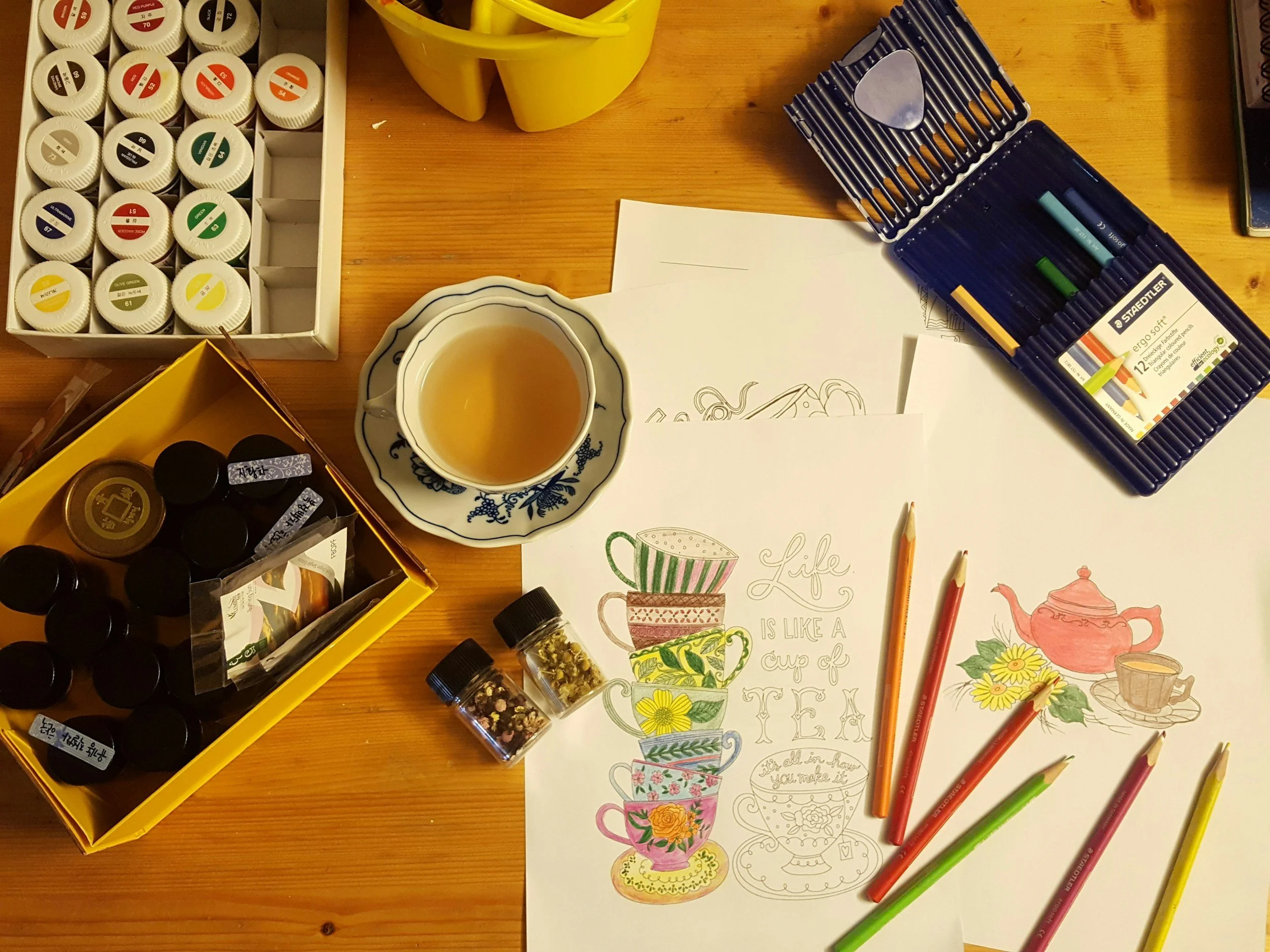
Maybe you just need a hobby
Somewhere along the way, many adults stopped doing things just because they felt good. We optimized our time, turned interests into side projects, and forgot what it’s like to engage in something without performance or outcome. A hobby isn’t about mastery or productivity. It’s about giving your nervous system something steady, curious, and yours. If your life feels efficient but flat, it might not be a crisis. It might just be time to get a hobby.

The Myth of Being Fully Healed
What if the idea of being “fully healed” is quietly keeping us from living? This reflection explores how healing was never meant to be a finish line—and how waiting to feel fixed, certain, or complete can subtly delay intimacy, creativity, and change. A gentle reframe for anyone who feels stuck between self-work and actually living their life.

The Healing Power of Rest And Doing Less: Slowing Down is Essential for Trauma Recovery
When it comes to healing from trauma, many people feel an overwhelming urge to “fix” themselves and get through it. The initial reaction is often to do more—to read every book, attend every workshop, and analyze every moment of their past in an effort to move beyond it. While education and active self-reflection have their place in making sense of what happened, one of the most underrated aspects of healing is the exact opposite: resting, doing less, and slowing down.
How Not to Quit if You’re Serious About Change
When we set goals, we think about the person we want to be rather than who we actually are. We become tad delusional and think that on January 1st we will become a totally different person with a totally different lifestyle and habits. But then reality sets in and we revert back to our ‘old’ behaviors, doing what feels natural and comfortable to us.

Benefits of Process-Oriented Goals
Achievement-oriented goals can feel motivating, but the satisfaction they bring is often brief. Process-oriented goals invite a different relationship with your life — one where meaning, fulfillment, and self-trust are built while you’re in the process, not postponed until the finish line.

You Don’t Need a 10-Step Morning Routine.
You don’t need a 10-step ritual to change your mornings. Just a few intentional minutes can ground your mind and steady your day.
Are Limiting Beliefs Really Our Enemy?
We love to blame our limiting beliefs for holding us back. But what we often call “limiting” are really old protective strategies—beliefs that once kept us safe, even if they feel restrictive now. Instead of trying to erase them, what if we learned to understand, integrate, and move with them? Growth doesn’t always mean fixing yourself. Sometimes it means listening differently.

Your Lack of Energy Isn’t Random. It’s a Soul SIgnal
If you’ve been feeling drained, uninspired, or unmotivated, it might not be burnout—it might be guidance. Lack of energy is often a sign from your soul that something is out of alignment. Instead of forcing yourself to push through, learn how to recognize these spiritual signals, understand what your body is telling you, and follow the natural pull toward what truly lights you up.

My Year of no Goals and Soft Living
This year I’ve been doing some things differently. For starters, I didn’t set any goals or intentions. No word of the year.

13 Things to Stop Tolerating (In your 30s and Beyond)
Stepping into your 30s is the perfect time to stop putting up with what drains your energy and start building a life that feels true to you. In this post, we’ll cover 13 things to stop tolerating in your 30s and beyond — from unhealthy relationships to self-sabotaging habits — so you can create more peace, joy, and purpose. Whether you’re turning 30 or well into the decade, these mindset shifts and boundaries will help you protect your time, honor your values, and live on your own terms.

Good Decisions Are Inconvenient Decisions
We tend to think that making the "right" decision should feel good—clear, affirming, maybe even a little empowering. But the truth is, good decisions are often inconvenient. They interrupt our comfort, require effort, and ask us to tolerate discomfort in the service of something more meaningful. Whether it's setting a boundary, committing to therapy, or choosing rest over productivity, the choices that move us forward rarely come wrapped in ease. But that doesn’t mean they’re wrong—it usually means they matter.

The Trap of Labels and Self-Definitions
We’re not meant to stay the same—but our self-definitions often keep us stuck. In this post, we explore how labels and identities, even the ones we choose, can quietly limit growth, creativity, and connection. If you’ve ever felt trapped by who you used to be, this is your invitation to let yourself evolve.

Or Maybe You Just Got Lucky?!
Success isn’t just about hard work—it’s also about timing, privilege, and straight-up luck. This blog post breaks the myth that you alone can manufacture your dream life. Sometimes, you just got lucky—and that’s the part no one likes to admit.

A Chill Path to Success For Empaths, Old Souls, And Intuitives
Feeling burnt out by hustle culture? If you’re an empath, old soul, or intuitive woman, you might be wired for a different kind of success—one rooted in alignment, ease, and soul, not pressure and performance. This post is your permission slip to stop forcing and start flowing.

Why Do I feel Guilty When I Put Myself First?
Feel guilty for choosing yourself? This post unpacks how guilt often disguises as morality, and how to trust your truth anyways.

Why Trying to Feel Better Can Feel Worse
Each time we turn away from what we’re feeling, we reinforce the belief that certain emotions are dangerous, shameful, or intolerable. That avoidance becomes our nervous system’s go-to strategy, and over time, it makes the inner world feel more hostile than it really is. You start to feel anxious about your anxiety. Sad about your sadness. Disappointed in your disappointment. And then you wonder why you feel stuck.

Just Because You’re in Therapy Doesn’t Mean You Have to Change
Therapy isn't about flipping our lives upside down. It's about exploring, getting curious, and creating the conditions where real change might happen — if and when we're ready. It's about understanding our motivations, desires, and our real selves. Change threatens what we know, what we've built, what feels familiar — even if what we know isn't authentic or comfortable. Our adaptations and defenses have been carefully crafted and cemented over a lifetime. They're not flaws. They're ingenious survival strategies. They've kept us safe, functional, and adaptive (even when it doesn't feel that way).

Individuation And Becoming Fully Yourself Through Therapy
Individuation is the process of integrating all parts of yourself—your strengths and struggles, your conscious choices and unconscious patterns—into a cohesive, authentic identity. Jung believed that true psychological growth isn’t about “fixing” ourselves but about understanding and embracing all aspects of who we are. This means acknowledging both the light and shadow parts of ourselves, rather than rejecting or suppressing what feels inconvenient or uncomfortable. Individuation isn’t about becoming perfect; it’s about becoming whole.

Perils of Spiritual Bypassing And The Importance of Feeling Our Feelings
Spiritual bypassing describes the tendency to use spiritual ideas or practices as an escape hatch from difficult emotions and unresolved wounds. Instead of addressing pain, grief, anger, or fear head-on, spiritual bypassing slaps a shiny, mystical band-aid over it and calls it “growth.” On the surface, it seems like healing. But underneath? Those emotions don’t go away—they just go underground, where they can quietly shape our patterns, relationships, and self-perceptions in ways we don’t even realize.